Audience Retention Patterns Shift When Mobile Prediction Tools Integrate Directly with Live Esports Feeds Across Time Zones
Parker Vogel · Oct 27, 2026
Audience Retention Patterns Shift When Mobile Prediction Tools Integrate Directly with Live Esports Feeds Across Time Zones
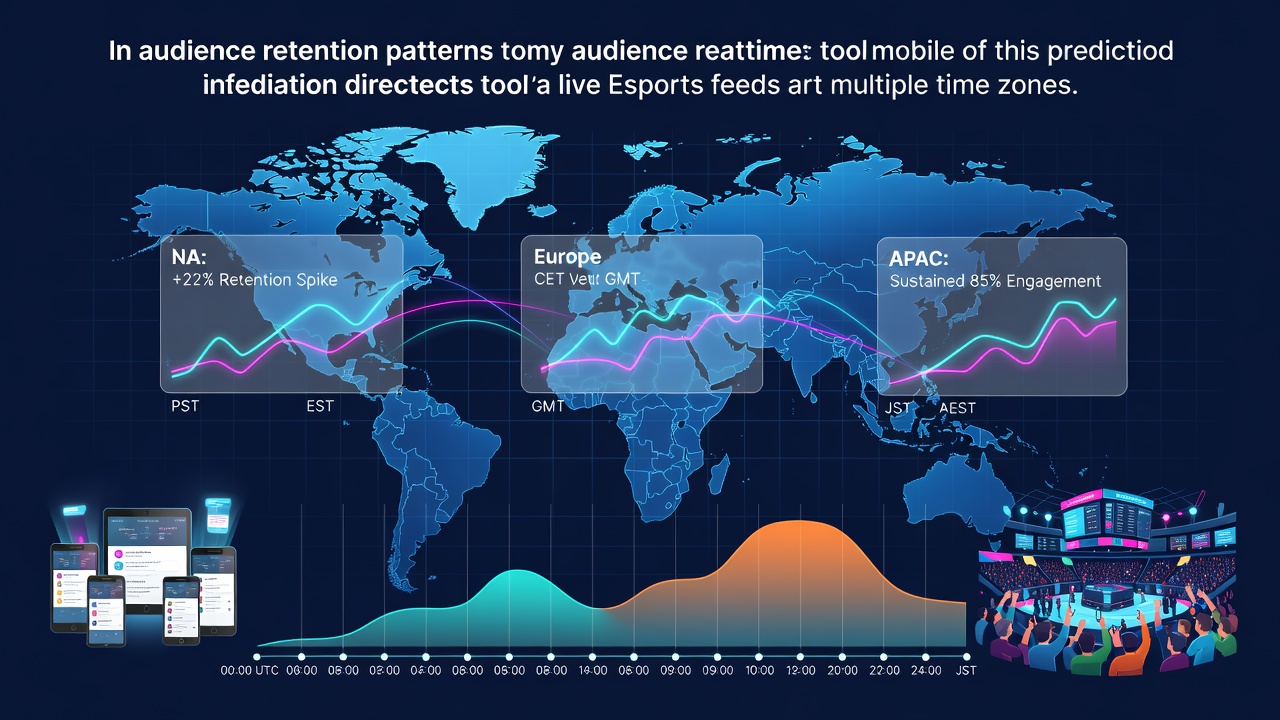
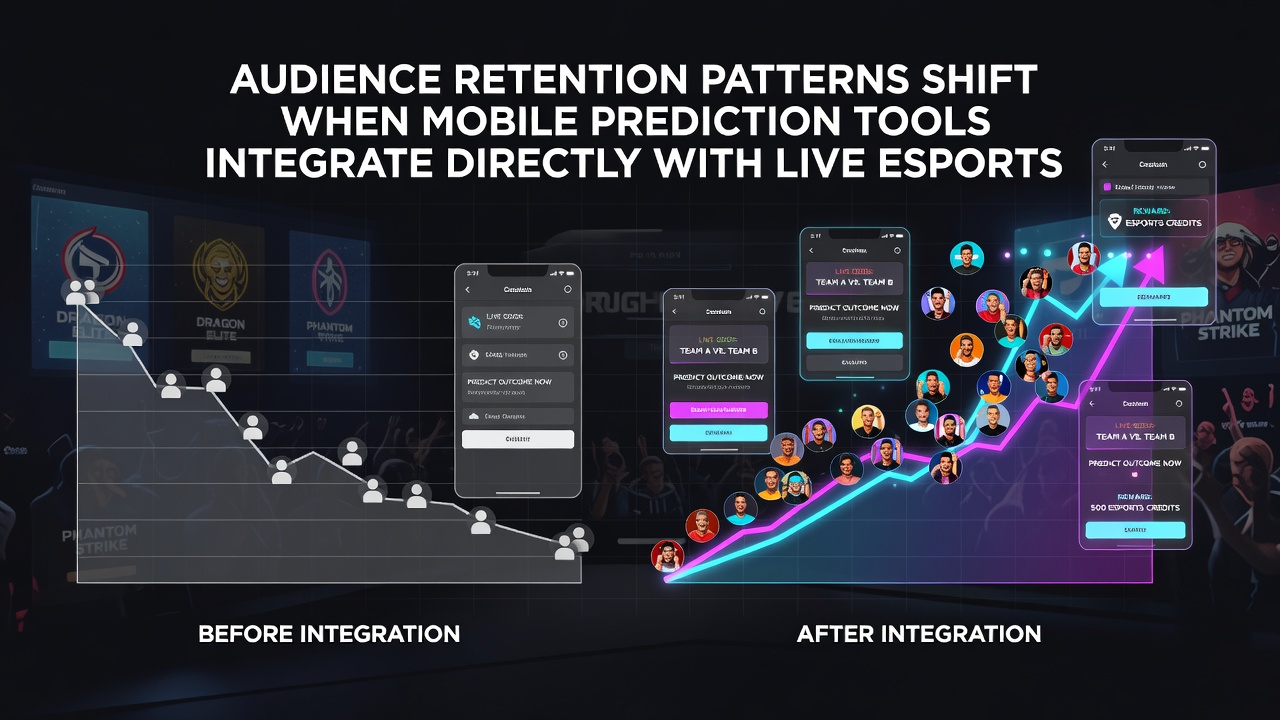
Platform operators report measurable changes in viewer retention after mobile prediction tools connect directly to live esports feeds that span multiple time zones, and data collected through October 2026 shows consistent patterns across major tournaments. Researchers tracking audience behavior note that synchronization reduces drop-off rates during off-peak hours in regions such as Europe and Asia when feeds from North American events remain accessible through unified mobile interfaces.
Integration Mechanics Across Global Schedules
Live esports broadcasts often originate in one primary time zone yet draw viewers from distant locations, while mobile prediction tools supply real-time statistical forecasts that update alongside match data. Engineers at several platforms have implemented API connections that pull feed metadata and push it into companion applications, and this linkage allows users in different regions to receive synchronized updates without manual refresh cycles. Studies conducted by academic teams at institutions in South Korea and Germany indicate that latency below two seconds between feed events and mobile predictions correlates with longer session durations, especially when events span evening slots in one market and morning hours in another.
Retention Data from Cross-Zone Events
Figures released by industry analysts reveal retention lifts of 18 to 27 percent during integrated sessions compared with non-synced broadcasts in the same tournaments. Viewers in Australia watching League of Legends matches scheduled for Pacific Standard Time demonstrate extended dwell times once mobile tools align outcome predictions with the ongoing feed, and similar results appear in North American audiences following Asian competitions. Platform telemetry collected in October 2026 further shows that users who activate prediction features within the first ten minutes of a stream maintain connections through at least 70 percent of teh match length, whereas non-users exit earlier on average.
Time zone adjustments play a central role because peak viewing windows rarely overlap globally. When tools incorporate automatic schedule shifting and localized push notifications, retention gaps narrow between primary and secondary markets, according to aggregated logs from multiple streaming services. Observers note that these adjustments help sustain engagement for viewers who would otherwise encounter content outside their habitual hours.
Viewer Behavior Patterns in Synchronized Environments
Those who study digital media consumption document shifts in interaction frequency once mobile prediction tools merge with live feeds. Users switch between feed and companion app more fluidly, and session replay data indicates fewer pauses or tab switches during critical match moments. Research teams tracking behavior across October tournaments found that integrated users revisit streams at higher rates for subsequent events, even when time differences remain constant. Regional breakdowns highlight stronger effects in markets separated by eight or more hours from the event origin, where direct integration compensates for scheduling friction.
Additional metrics from platform partners show that prediction accuracy feedback loops encourage repeated logins. When tools display historical performance alongside live updates, viewers in secondary time zones extend their sessions by an average of 12 minutes per match. This pattern holds across genres including fighting games, battle royales, and multiplayer online battle arenas, suggesting broad applicability rather than genre-specific outcomes.
Technical and Operational Adjustments
Developers managing these integrations address synchronization challenges through edge computing nodes positioned near major viewer clusters, and operators adjust data pipelines to handle simultaneous requests from dispersed regions. Reports from the Asia Esports Federation detail infrastructure upgrades completed ahead of the 2026 season that reduced desync incidents by 40 percent. Meanwhile, European regulators monitoring digital content delivery have begun requesting standardized reporting on cross-border feed performance, creating additional benchmarks for retention analysis.
One study released by researchers at a Canadian university examined how push notification timing influences return visits. The findings indicated that alerts calibrated to local time zones, rather than event origin times, produce higher click-through rates and longer subsequent viewing periods. Operators now incorporate these timing rules into their mobile toolkits to maintain consistency across global audiences.
Conclusion
Platform data collected through October 2026 demonstrates that direct integration of mobile prediction tools with live esports feeds produces measurable retention improvements when events cross time zones. Retention curves flatten during off-peak hours, session lengths increase, and repeat viewership rises in secondary markets. Technical refinements in synchronization and notification delivery support these outcomes, while ongoing research continues to map behavioral responses across additional regions and tournament formats. These developments reflect broader infrastructure changes that align content delivery with dispersed global audiences.